How to Build a Strong Brand Community With Email Marketing
Building a strong brand community is about more than collecting subscribers or promoting products. A real community forms when people trust your brand, find your content useful, interact with your emails, and want to stay connected.
Email marketing gives you a direct line to build those relationships. But sending emails regularly isn't enough. You need to understand your audience, offer real value, encourage interaction, and keep your email list clean and verified so your messages actually reach the people who want them.
The Core Difference: Sending Emails vs. Building a Community
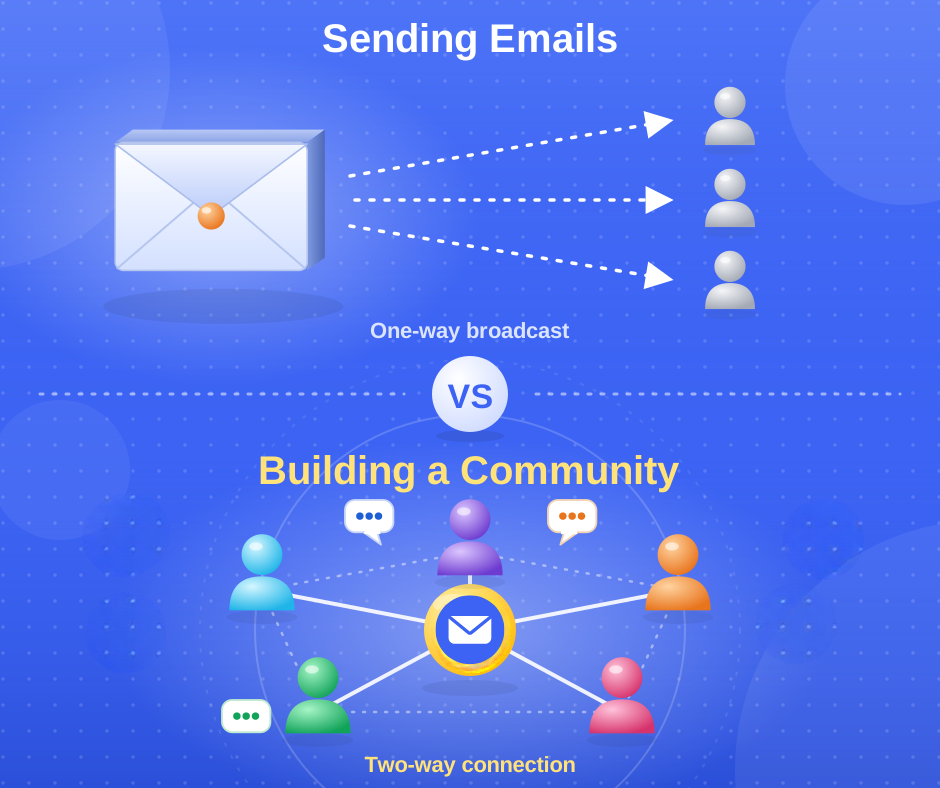
At their root, a mailing list and a brand community are built on different things.
- A mailing list is a collection of addresses. Subscribers receive messages, but the relationship is one-way.
- A brand community is a group of people who trust your brand, engage with your content, and feel connected to it.
- The difference comes down to relevance, value, and interaction. It's the gap between an audience that receives your emails and one that looks forward to them.
1. Understand Your Audience
What to do: Before planning campaigns, learn what your subscribers care about, what problems they're trying to solve, and what content they find useful.
What to look at:
- Interests and preferences
- Previous purchases
- Content engagement
- Customer type and location
- Stage in the customer journey
Why it matters: A new subscriber may need educational content about your brand, while an existing customer may prefer product updates, advanced tips, or exclusive offers. When emails are relevant, subscribers have more reasons to keep engaging.
2. Provide Valuable Content
What to do: Balance educational, informative, entertaining, and promotional content instead of making every message a sales pitch.
Content ideas to try:
- How-to guides and practical tips
- Industry insights and expert advice
- Case studies and customer stories
- Product education and useful resources
- Exclusive content
Why it matters: People stay connected to a brand when its emails give them something useful. Before sending, ask yourself: "What value will the subscriber get from this email?" If the answer is clear, the content is more likely to create a positive experience.
3. Start With a Welcome Email Series
What to do: Your first emails shape how subscribers see your brand. Instead of a single welcome message, send a short series.
- Email 1 – Welcome: Thank subscribers for joining and introduce your brand.
- Email 2 – Provide Value: Share useful guides, resources, or popular content.
- Email 3 – Learn About Them: Ask about their interests or preferences.
- Email 4 – Build the Connection: Introduce your community, social channels, or events.
- Email 5 – Encourage Action: Invite them to read an article, reply to a question, explore products, or join an event.
Why it matters: A structured welcome journey sets clear expectations for what subscribers will receive.
4. Personalize Your Communication
What to do: Use what you know about subscribers — their name, interests, past purchases, content preferences, customer journey stage, and past engagement — to shape the message itself.
Why it matters: True personalization goes beyond inserting a first name in the greeting. A subscriber who has shown interest in a specific topic should receive content tied to it, while a returning customer might get information about the products they already own.
5. Encourage Two-Way Communication
What to do: Give subscribers chances to respond, share opinions, and take part in your brand.
Formats that work:
- Polls and surveys
- Quizzes and questions
- Feedback forms
- Q&A sessions
- Reply-based campaigns
Why it matters: Instead of simply announcing a new feature, ask: "Which feature would you like us to introduce next?" Questions like this give your audience a reason to interact and make email feel like a conversation.
6. Make Subscribers Feel Part of the Community
What to do: Offer experiences that make subscribers feel connected, such as early access to products, exclusive guides, product previews, subscriber-only updates, webinar invitations, community events, or behind-the-scenes content.
Why it matters: You don't need to make every email exclusive. Occasional subscriber-only content is enough to show people their relationship with your brand carries extra value.
7. Share Customer Stories
What to do: Give your customers a voice through success stories, testimonials, reviews, interviews, user-generated content, or a monthly "Community Spotlight" email.
Why it matters: Customer-focused content is more relatable and shows subscribers that real people are engaging with your brand.
8. Keep Your Email List Clean
What's happening: As your community grows, your database gets harder to manage. Over time, lists collect invalid, outdated, duplicate, or unwanted addresses.
The practical risk: Sending campaigns without checking your data makes engagement results less reliable and can create unnecessary delivery issues.
What to do: Check subscriber data regularly. For larger lists, bulk email verification lets you check many addresses at once instead of reviewing them one by one. It's especially useful before major campaigns.
9. Use an Email Verification API for New Signups
What's happening: List management shouldn't start only after your database has grown. You can check addresses as they enter your system.
What to do: Add an email verification API to signup forms, registration pages, lead-generation forms, and any workflow where users submit an email address.
Why it matters: Problematic addresses get caught earlier, so less unusable data reaches your list. Combining good signup practices with regular list maintenance makes for a more reliable email workflow.
10. Segment Your Audience
What to do: Not every subscriber needs the same email. Divide your audience into groups, such as new subscribers, existing customers, product interests, purchase history, engagement level, location, or customer stage.
Why it matters: A new subscriber could receive introductory educational content, while an existing customer receives advanced product tips. Relevant segmentation creates a more personalized experience for each group in your community.
11. Maintain a Consistent Email Schedule
What to do: Choose a sending rhythm your audience is comfortable with and that lets you consistently deliver useful content. You don't need to email every day.
| Frequency | Content Type |
|---|---|
| Weekly | Tips, educational content, or industry insights |
| Biweekly | Newsletter or curated resources |
| Monthly | Customer stories or community updates |
| Occasionally | Product announcements, events, or exclusive offers |
Why it matters: The goal is to stay connected without overwhelming subscribers. Consistency helps them know what to expect.
12. Measure and Improve Your Strategy
What to do: Building a community is ongoing, so track performance to see what your audience responds to.
Metrics to watch:
- Click-through rate
- Reply rate
- Conversion rate
- Unsubscribe rate
- Survey responses
- Overall engagement trends
Why it matters: Experiment with subject lines, content formats, CTAs, sending times, segments, and personalization methods, then use the results to improve future campaigns.
Test → Learn → Improve → Repeat
Common Mistakes to Avoid
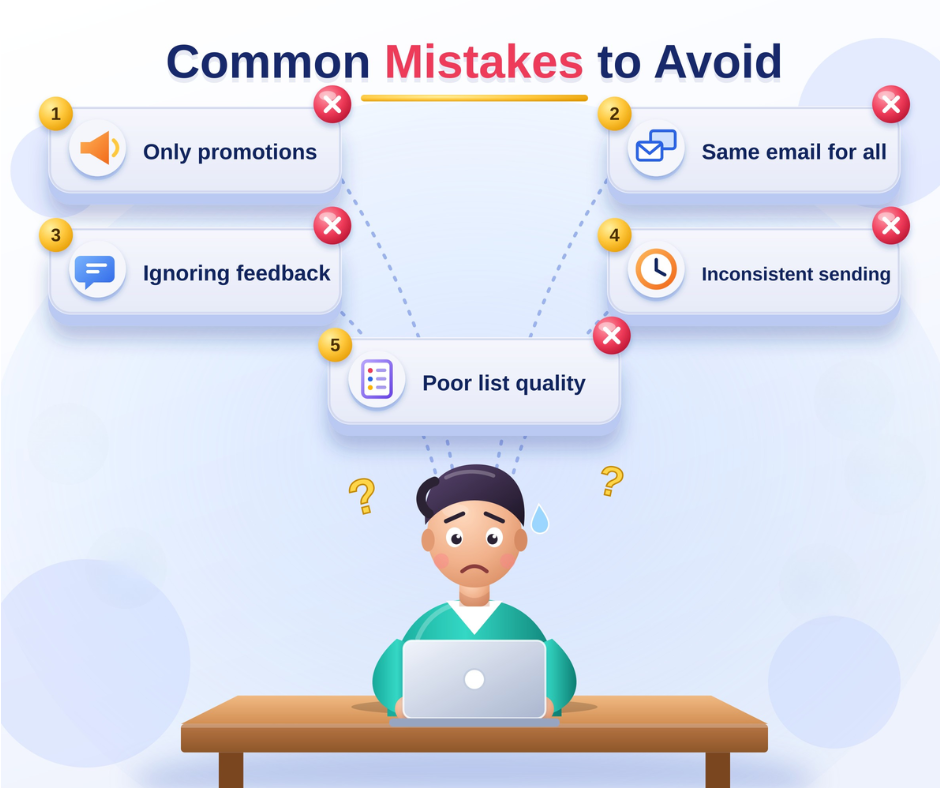
| Mistake | Why It Hurts |
|---|---|
| Sending only promotional emails | Subscribers have fewer reasons to engage |
| Sending the same email to everyone | Different subscribers have different interests |
| Ignoring subscriber feedback | Audiences want a chance to share opinions and take part |
| Inconsistent communication | Long silence followed by too many emails creates an uneven experience |
| Neglecting email list quality | A large list isn't enough; accurate data matters long-term |
Wondering How Many of Your Contacts Are Actually Reachable?
A strong brand community depends on meaningful communication, and meaningful communication starts with reaching the right audience. Before your next important campaign, run your list through Bouncify. New users can verify their first batch of emails for free, with no credit card needed to get started. Bouncify flags invalid, disposable, and catch-all addresses separately, so you know which contacts to keep, which need a closer look, and which to remove.
Ready to see how your list breaks down? Verify your email list today and get a clear, categorized view of every address.
FAQ
What is a brand community in email marketing?
It's a group of subscribers who trust your brand, engage with your emails, and want to stay connected, rather than a list of people who simply receive messages.
How often should I email my subscribers?
There's no single right answer. Pick a schedule your audience is comfortable with and that you can sustain with useful content, whether that's weekly, biweekly, or monthly.
Does personalization mean using the subscriber's first name?
No. A name in the greeting is only a small part of it. Real personalization means the content itself reflects the subscriber's interests, purchases, or stage in the customer journey.
Why does email list quality matter for community building?
Invalid, outdated, or duplicate addresses make engagement metrics less reliable and can cause delivery issues, which makes it harder to understand what your real audience wants.
When should I verify my email list?
Before major campaigns, and regularly as your list grows. Checking new addresses at signup with a verification API also stops problematic ones from entering the list.
Should every email I send be exclusive or promotional?
No. Mix educational, informative, and promotional content, and keep exclusive content occasional so it still feels special.
What metrics show whether my community is growing?
Look at click-through rate, reply rate, conversion rate, unsubscribe rate, survey responses, and overall engagement trends rather than list size alone.